
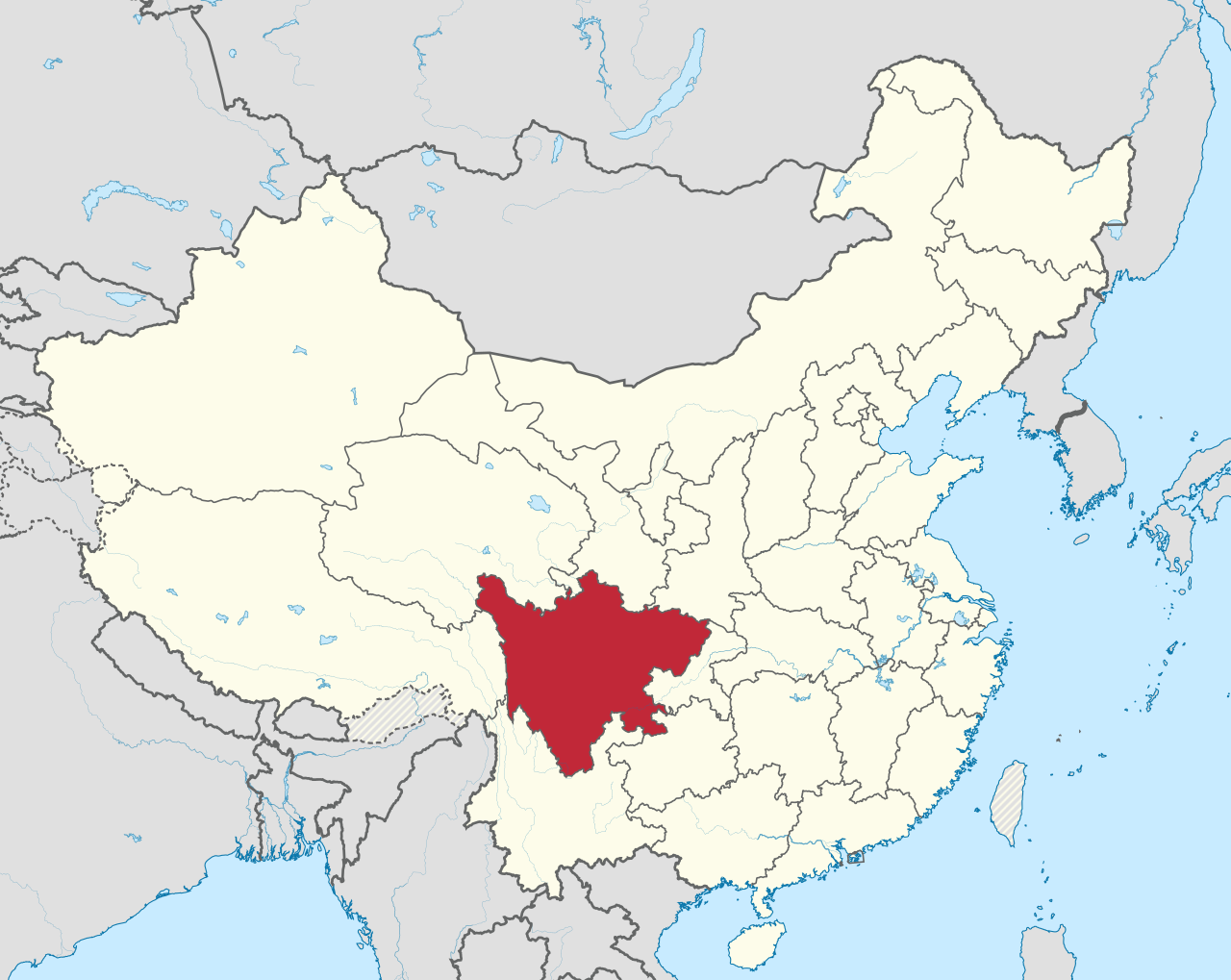
Sichuan
Sichuan is a province in Southwestern China, occupying the Sichuan Basin and Tibetan Plateau—between the Jinsha River to the west, the Daba Mountains to the north, and the Yunnan–Guizhou Plateau to the south. Its capital city is Chengdu, and its population stands at 83 million. Sichuan neighbors Qinghai and Gansu to the north, Shaanxi and Chongqing to the east, Guizhou and Yunnan to the south, and Tibet to the west. During antiquity, Sichuan was home to the kingdoms of Ba and Shu until their incorporation by the Qin. During the Three Kingdoms era (220–280), Liu Bei's state of Shu was based in Sichuan. The area was devastated in the 17th century by Zhang Xianzhong's rebellion and the area's subsequent Manchu conquest, but recovered to become one of China's most productive areas by the 19th century. During World War II, Chongqing served as the temporary capital of the Republic of China, and was heavily bombed. It was one of the last mainland areas captured by the People's Liberation Army during the Chinese Civil War, and was divided into four parts from 1949 to 1952, with Chongqing restored two years later. It suffered gravely during the Great Chinese Famine (1959–1961) but remained China's most-populous province until Chongqing was again separated from it in 1997. The Sichuanese people speak distinctive dialects of Mandarin Chinese. The Sichuan pepper, with its distinctive flavor and numbing effect, is prominent in modern Sichuan cuisine, featuring dishes, including Kung Pao chicken and mapo tofu, that have become staples of Chinese cuisine around the world. There are many panda stations in the province and large reserves for these creatures, such as the Chengdu Research Base of Giant Panda Breeding. Sichuan is the 6th-largest provincial economy of China, the largest in Western China, and the second-largest among inland provinces after Henan. As of 2021, its nominal GDP was CN¥5,385 billion (US$847.68 billion), ahead of that of Turkey ($815 billion). If it were its own country, Sichuan would be the 18th-largest economy and 19th-most populous as of 2021.
One-Day Sichuan Tour Itinerary Recommendations
Theme:
Land of Abundance + Spicy Flavors + Panda Paradise
Suitable for:
Short trips to Chengdu/Leshan/Dujiangyan, optimal with metro + high-speed rail/scenic shuttle
Practical Tips
Tickets:
Panda Base ¥55 | Leshan cruise ¥70 | Dujiangyan ¥80
Food Secrets:
Chengdu: Zhong Dumplings, egg pancakes
Leshan: Tofu pudding, Xiba tofu
Dujiangyan: Rabbit heads, palm chicken
Transport Notes:
Panda Base opens 7:30am (arrive by 6:30am for entry)
15-min taxi from Leshan high-speed railway Station to scenic area
Optimization Tips:
Chengdu alternative: Wuhou Shrine (Three Kingdoms fans must-visit)
Short Leshan trip? Skip Wuyou Temple for Buddha + food focus
Enhance Dujiangyan with "Taoist Dujiangyan" live show
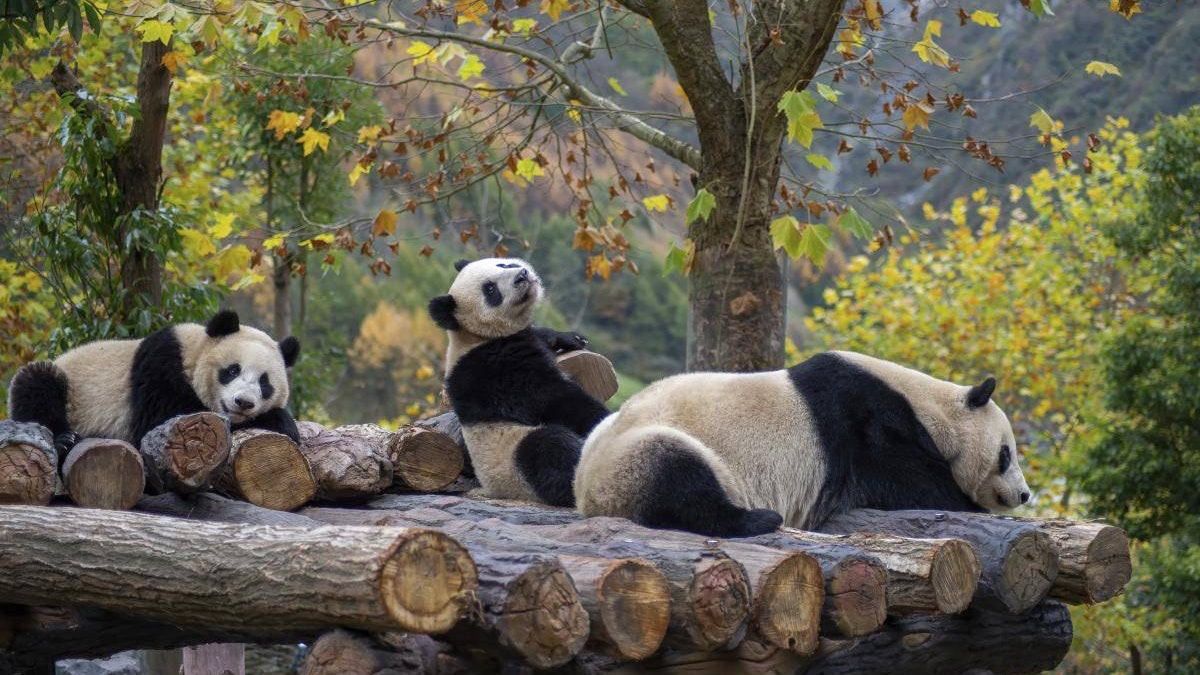
(Note: All routes feature Sichuan's iconic pandas - don't forget your camera!)
Option 1:
Chengdu Panda Culture
Best for:
Families, animal lovers
Transport:
Metro Line 3 + scenic shuttle
07:30-09:30 Chengdu Panda Base
Head straight to Moon Delivery Room for cubs | Best feeding activity before 9am
10:00-12:00 Jinli Ancient Street
Three Kingdoms-themed lane | Sugar painting/shadow puppet Intangible Cultural Heritage Experience
12:30-14:00 Sichuan Cuisine Lunch
Recommended: Chen Mapo Tofu (spicy tofu + couple's lung slices)
14:30-17:00 Jinsha Site Museum
Gold mask + Sunbird artifact | Immersive light exhibition
18:00 Kuanzhai Alley Nightscape
Face-changing show | Buy Zhangfei Beef souvenirs
Option 2:
Leshan Giant Buddha & Food
Best for:
History buffs, foodies
Transport:
1-hour high-speed rail from Chengdu East Station
08:00-10:30 Leshan Giant Buddha
Cruise for full view (20min) OR hike Nine-Turn Cliff path
11:00-12:30 Jiadingfang Food Street
Must-try trio: Stewed beef in soup + sweet-skin duck + ice jelly
13:00-15:00 Wuyou Temple + Mahao Cliff Tombs
Han Dynasty carvings | Seek "Oriental Mona Lisa" smile
15:30-18:00 Zhanggongqiao Night Market
Boneless chicken in pot + fried skewers | Night cruise to see sleeping Buddha outline
Option 3:
Dujiangyan-Qingcheng Mountain
Best for:
Nature seekers, wellness lovers
Transport:
30-min intercity train from Xipu Station
07:30-10:00 Dujiangyan Irrigation System
Fish Mouth + Flying Sand Weir + Bottle-Neck Channel (ancient engineering marvel)
10:30-12:30 Qingcheng Front Mountain
Taoism birthplace | Tianshi Cave + Shangqing Palace (cable car up/walk down)
12:30-14:00 Taoist Wellness Meal
Qingcheng Jia (ginkgo chicken soup + cave-aged wine)
14:30-17:00 Guanxian Ancient Town
Blue Tears at South Bridge | Giant "Selfie Panda" sculpture
18:00 Return to Chengdu
Optional: Night session at Sunac Water World (summer only)